An Incredibly Stretchy Fiber That Is A Key Component Of Elastic Fabrics.
ALTERNATIVES
SERIOUSLY? Yes. : UNIQUE
DESCRIPTION
Spandex, also known as elastane, is segmented polyurethane, and a by-product of petroleum. It is a white-colored synthetic fiber made to provide elasticity. The fiber can stretch to over 500% of its length and recover to its original length immediately. It is often blended with other fibers to offer additional stretch.
History
Spandex was developed in 1959 by DuPont textile scientist Joseph C. Shivers as a substitute for rubber. Originally called Fiber k, DuPont chose the trade name Lycra To distinguish its brand of spandex fiber. It was totally revolutionary, and was quickly incorporated into swimwear, undergarments, and other clothing.
POTENTIAL IMPACT
Spandex is made from nonrenewable resources. Toxic solvents are used in its production, and hazardous pollutants are emitted into the air during the process.
SUSTAINABLE OPTION
The use of bio-based spandex is encouraged as a sustainable option.
WASH INSTRUCTIONS

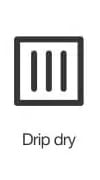
[1]Machine washable[2]Drip dry[3]Avoid high temperature
CHARACTERISTICS
- Lightweight, smooth and soft
- Relatively weak as a fiber, but stronger and more durable than rubber
- Excellent elasticity
- Pill resistant
- Oil and perspiration resistant
- Mildew and insect resistant
- Takes dye well
- Wrinkle resistant
- Abrasion resistnant
- Anti-Static
 Kids4Codeine